

 ш. Душанбе, кӯч. Н.Қаробоев 63/3
It should be noted that On September 25–26, 2026, the International Forum “Innovative Forms of Education for Economic Growth and Human Capital Development” was held at the Samarkand Agro-Innovation and Research University; the event was organized within the framework of the “Open University of Food Innovation – OFINU” project under the European Union’s Erasmus+ program.
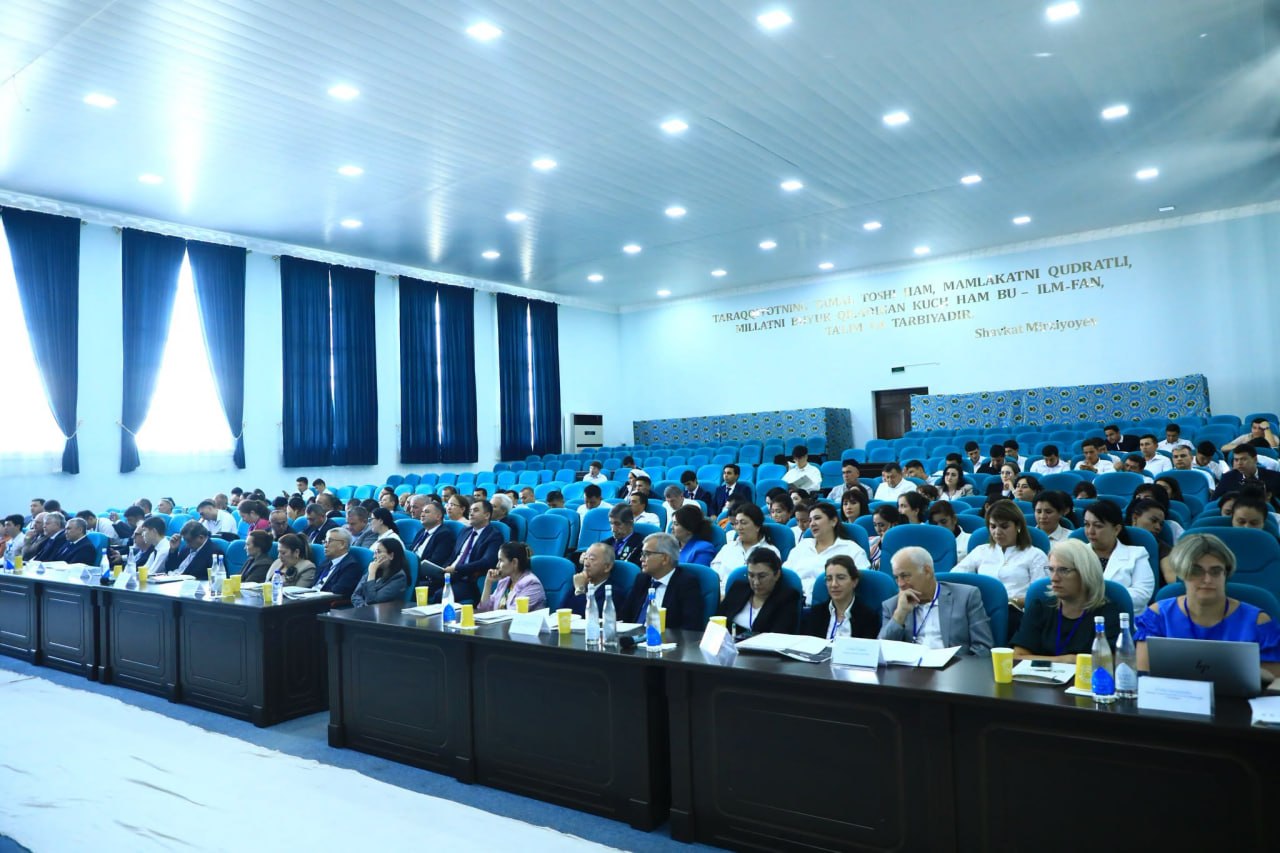
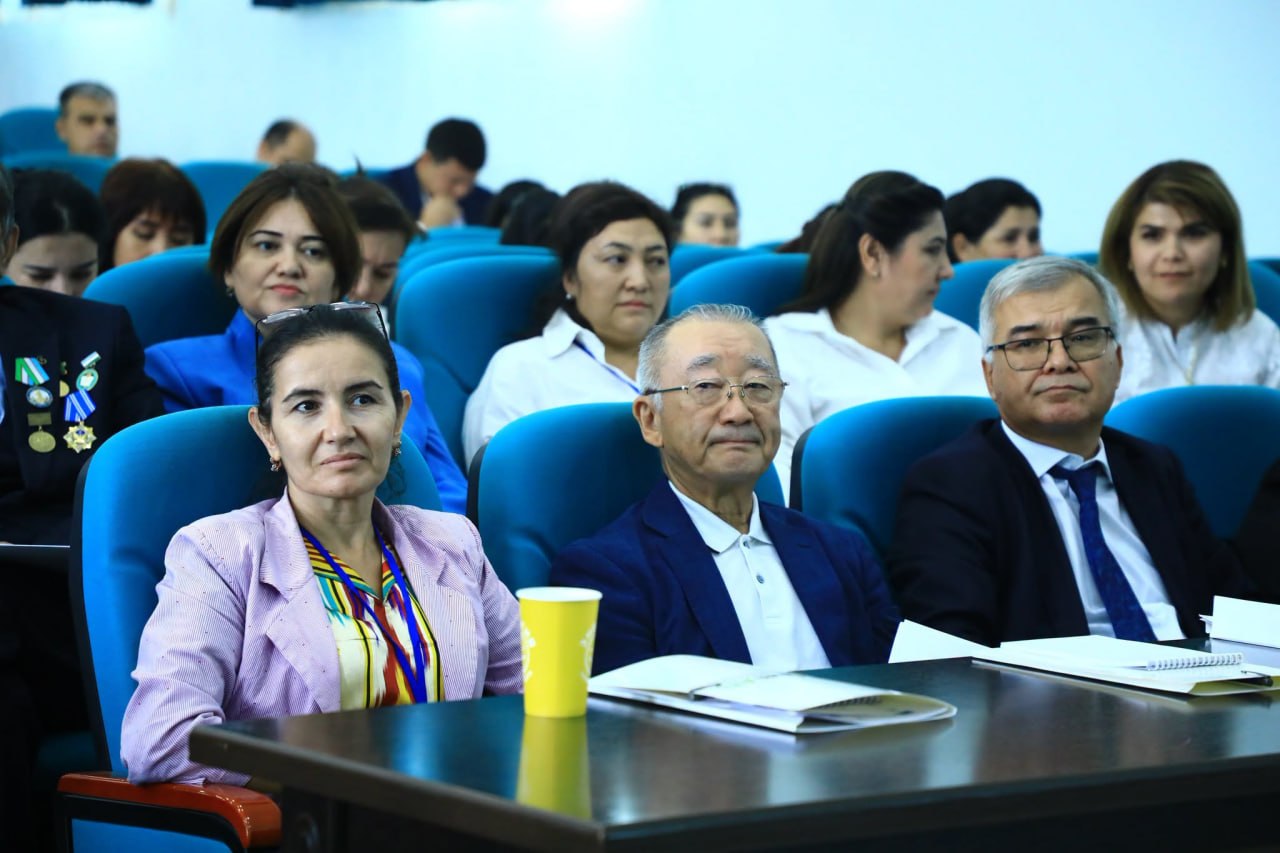
The international forum brought together around 100 participants from seven countries: Uzbekistan, Tajikistan, Latvia, Slovakia, Italy, Finland, and Japan. Representatives from universities, government agencies, food industry enterprises, and international organizations, as well as students and experts, took part in the event.
The Technological University of Tajikistan (TUT) was represented by a delegation comprising Ikromi Kh.I. (Vice-Rector for International Relations), Mirzozoda G.Kh. (Dean of the Faculty of Engineering and Technology), Nazarov Sh.A. (Head of the Academic Exchange Department), and fourth-year students from the Faculty of Engineering and Technology, Qosimov M.Kh. and Khudoyberdiev M.A.
Representatives of government agencies from Uzbekistan and Tajikistan, international organizations, and higher education institutions speeches during the plenary session of the international forum.
The forum featured panel sessions dedicated to developing future-oriented skills, lifelong learning, knowledge and innovation for sustainable economic development, and university-industry collaboration.
One of the forum’s key areas of focus was the discussion of lifelong learning and the development of skills in demand in the modern labor market.
During the panel session “Lifelong Learning in Tajikistan as a Strategic Response to Skills Gaps,” Kh.I. Ikromi delivered a presentation titled “Lifelong Learning in Tajikistan as a Strategic Response to Skills Gaps: Best Practices and Proposals for Improvement.” The presentation outlined Tajikistan’s experience in the field of lifelong learning and addressed issues regarding the adaptation of educational programs to changing labor market demands and the strengthening of cooperation between higher education institutions and employers. Particular attention was paid to the development of short-term and modular educational programs, the expansion of opportunities for retraining, and the professional development of citizens.
The practical component of the program featured interactive seminars on modern food industry technologies. Participants explored innovative approaches to developing new dairy and meat products, the use of plant-based ingredients, modern sensory evaluation methods, and technologies for processing and storing raw food materials.
Practical sessions led by professors from the Latvia University of Life Sciences and Technologies and the Slovak University of Agriculture in Nitra attracted particular interest; during these sessions, participants developed new formulations for functional protein products and conducted sensory evaluations.
A key component of the forum was the poster and stand presentation competition, aimed at showcasing the scientific and innovative ideas of students from partner universities in Central Asia.
Students from TUT presented the results of their research and practical developments on the following topics: “Development of a chickpea-based sourdough starter for producing pan bread”; “Functional whey-based beverage incorporating plant extracts”; and “Production technology for semi-finished yak meat products using plant-based additives.”
A total of 15 student poster projects were presented as part of the competition and evaluated by an international jury. At the conclusion of the event, the winners were ceremoniously awarded certificates and cash prizes.
For TUT students, participation in the competition offered an opportunity to present their research findings to an international audience, receive professional feedback, and establish new academic and professional contacts.
The forum also featured an exhibition of food innovations from Central Asian and European countries, showcasing innovative products from Latvia, Slovakia, Tajikistan, and Uzbekistan. Participants had the opportunity to explore new developments, exchange experiences, and discuss prospects for their practical application.
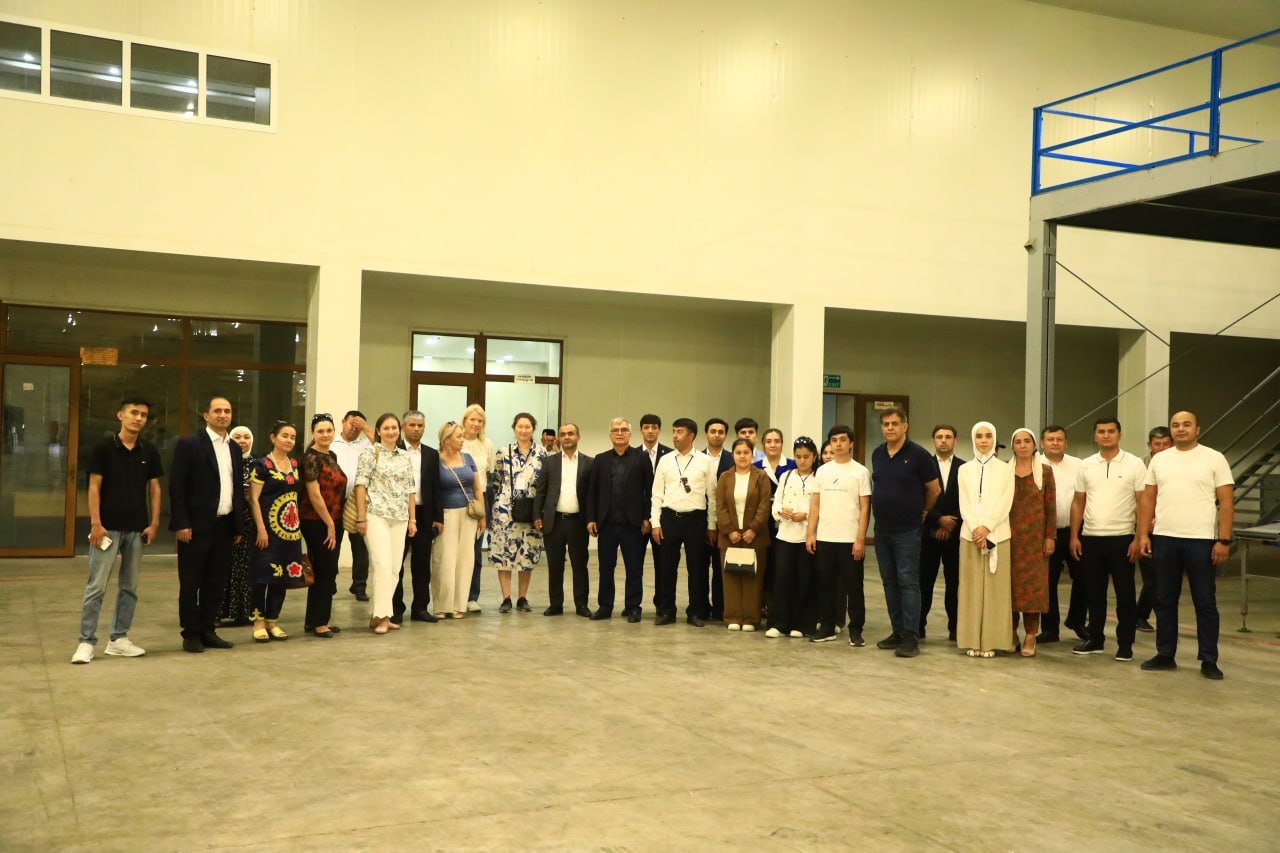
The event program also included visits to food industry enterprises that are partners in the OFINU project. Such meetings facilitated an ongoing dialogue between universities and the manufacturing sector regarding workforce training, the development of modern technologies, and meeting the food industry’s need for new knowledge and competencies.
The forum has become a significant international platform for the exchange of experience among universities, government bodies, the business community, students, and international experts, as well as for discussing new approaches to human capital development and the training of specialists who meet the demands of the modern economy.
For TUT, participation in the forum provided an opportunity to showcase the university’s experience in innovative and lifelong education, demonstrate students’ research and development projects, and expand cooperation with foreign universities and OFINU project partners.
The participation of TUT representatives in this international event also fosters the further development of modern educational formats, modular and lifelong learning, practice-oriented workforce training, student innovation, and university-industry collaboration.
The OFINU project, implemented with the participation of TUT, creates new opportunities for introducing modern educational approaches and strengthening international cooperation in training specialists for the food industry and other economic sectors.