

 ш. Душанбе, кӯч. Н.Қаробоев 63/3
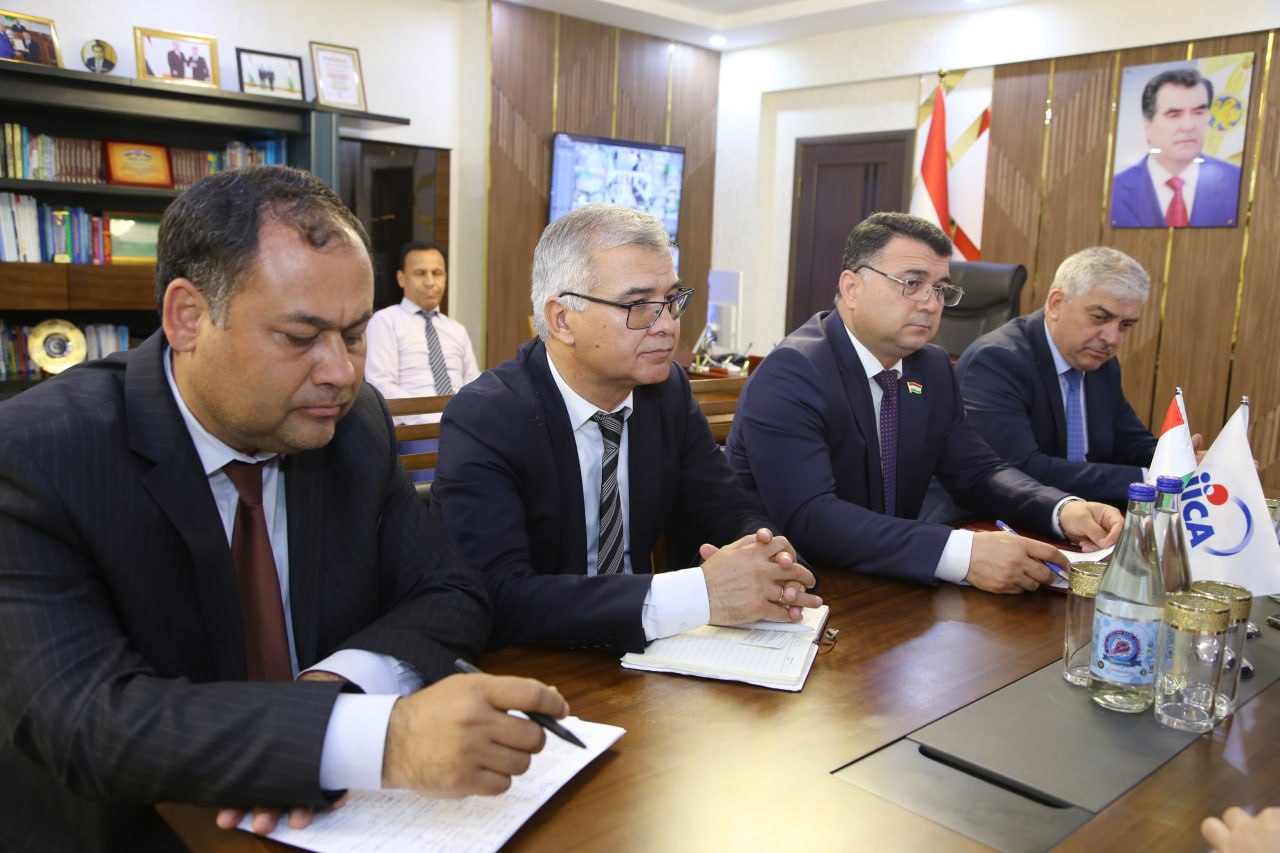
It should be noted that on 21th of May 2026, a meeting was held with representatives of the Japan International Cooperation Agency (JICA) at the Technological University of Tajikistan. JICA representatives, including digital technology consultants, and university administration participated in the meeting.
During the meeting, Rector of the Tajik Technological University, Rahmonzoda Zoir Faizali, emphasized that the development of artificial intelligence and digital technologies has become a priority for the state policy of the Republic of Tajikistan. According to him, higher education institutions play a key role in training highly qualified specialists for the digital economy. The rector also noted that expanding international cooperation, particularly with JICA, is of strategic importance for strengthening the university’s scientific, educational, and innovative potential.
During the meeting, issues related to the development of artificial intelligence, the digitalization of educational processes, the introduction of modern technologies into the economy, and the training of personnel for industry were discussed. JICA representatives proposed implementing joint research projects, establishing modern artificial intelligence and robotics laboratories, and strengthening digital infrastructure to advance this field. They also emphasized the need to leverage Japan’s advanced experience in big data management and intelligent systems.
Continuing the meeting, Rahmonzoda Zoir Faizali stated that the Technological University of Tajikistan is ready to actively collaborate with the Japan International Cooperation Agency (JICA) on joint projects. He noted that the university has already taken significant steps toward training specialists in artificial intelligence and will introduce the first graduates of this specialty to the job market. According to him, the organization of joint training courses with the participation of professors from prestigious Japanese universities, including the University of Tokyo, as well as the implementation of academic exchange programs are of great importance for the further development of this field.
Following the meeting, the parties agreed to expand cooperation in developing the artificial intelligence ecosystem, strengthen digital education, and implement innovative projects. Through joint collaboration in science, technology, and the digital economy in Tajikistan, they also agreed to foster favorable conditions for training internationally competitive specialists.