

 ш. Душанбе, кӯч. Н.Қаробоев 63/3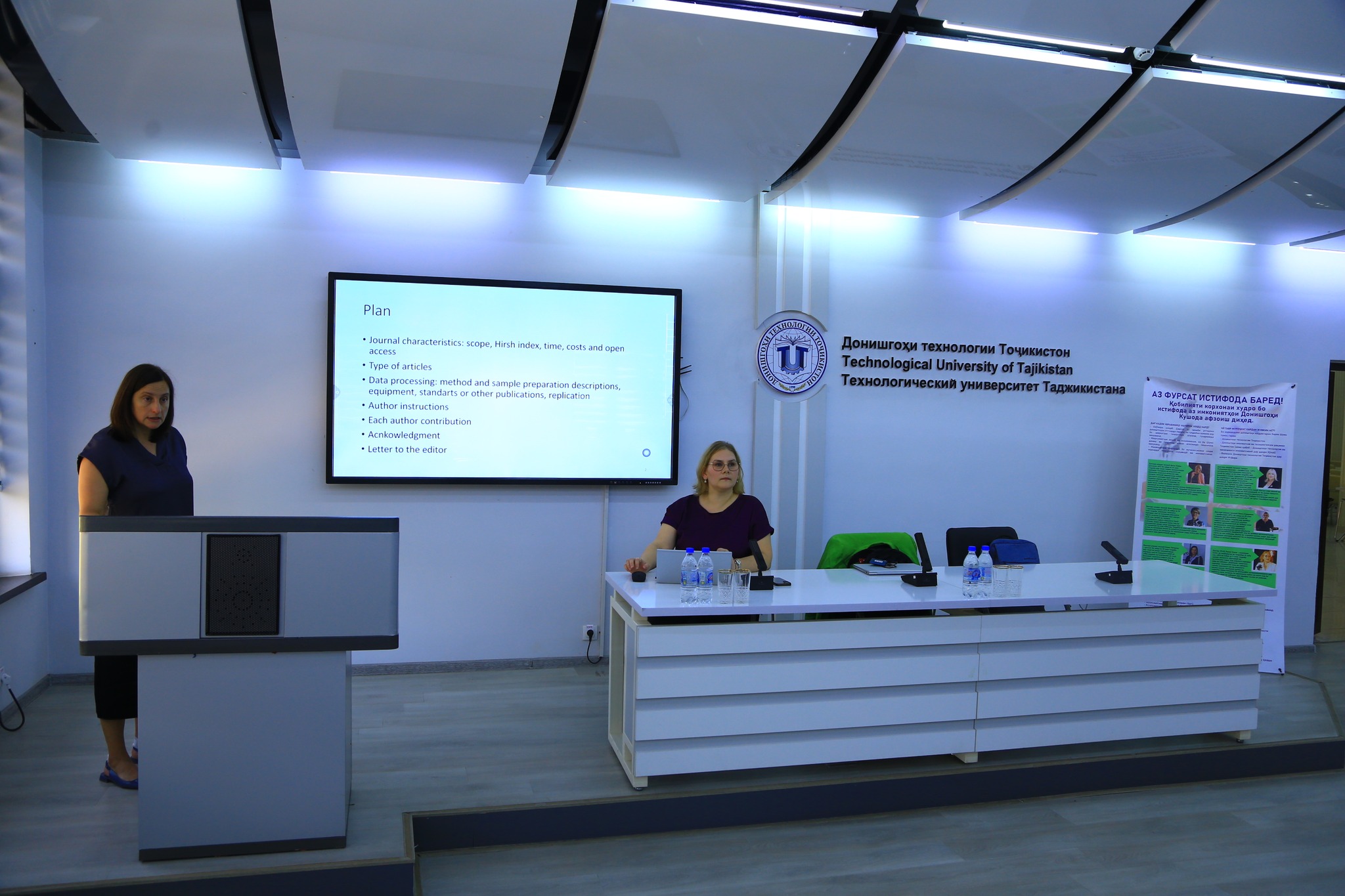
According to the implementation plan of the Open food Innovation University (OFINU) project of the European Union Erasmus+ program from 11 till 17 October of this year with the participation of professors and teachers from partner universities in the European Union, a pilot process of educational modules developed based on the principles and educational objectives of modern university educational services is being conducted at the Technological University of Tajikistan.
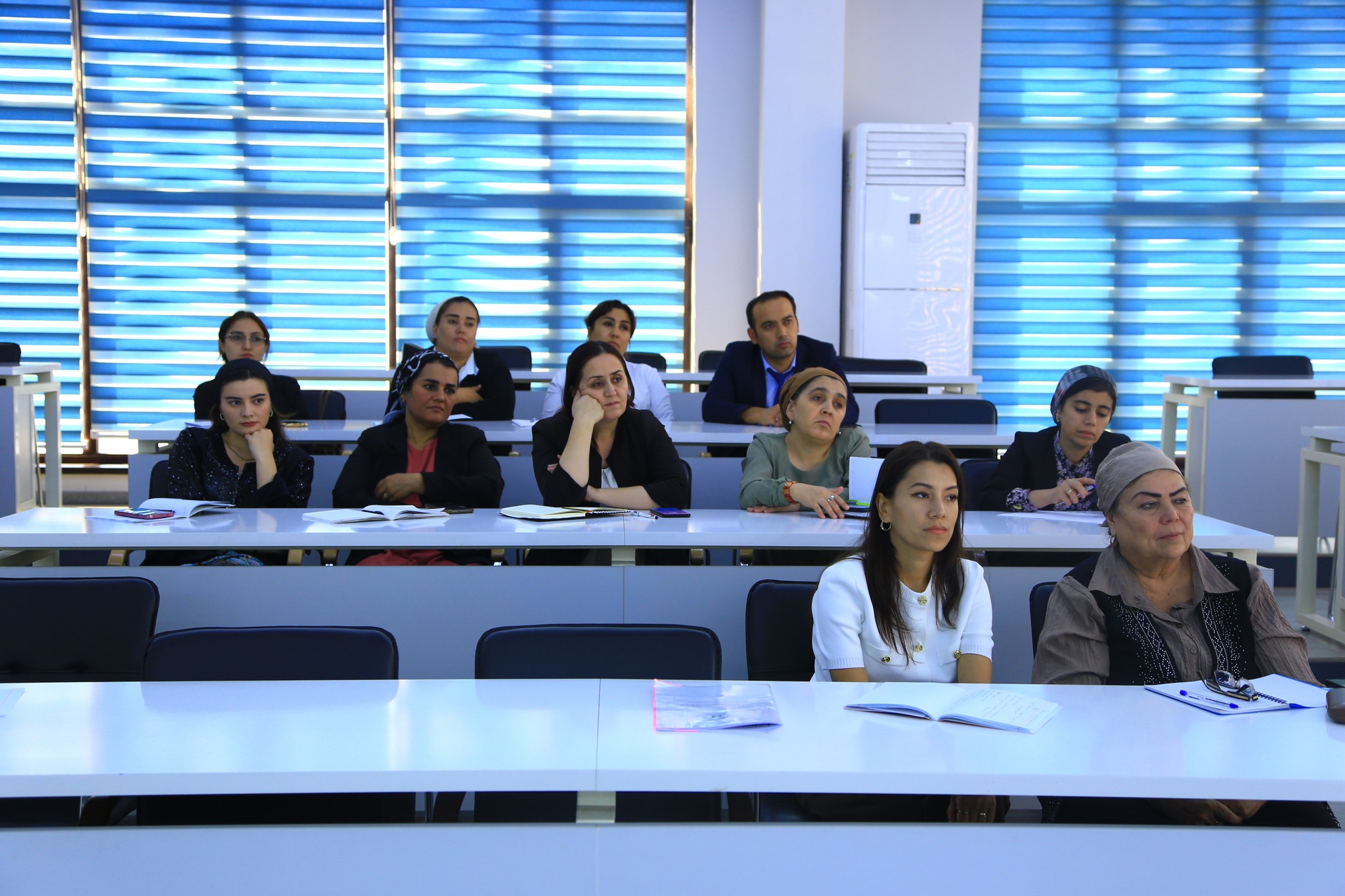
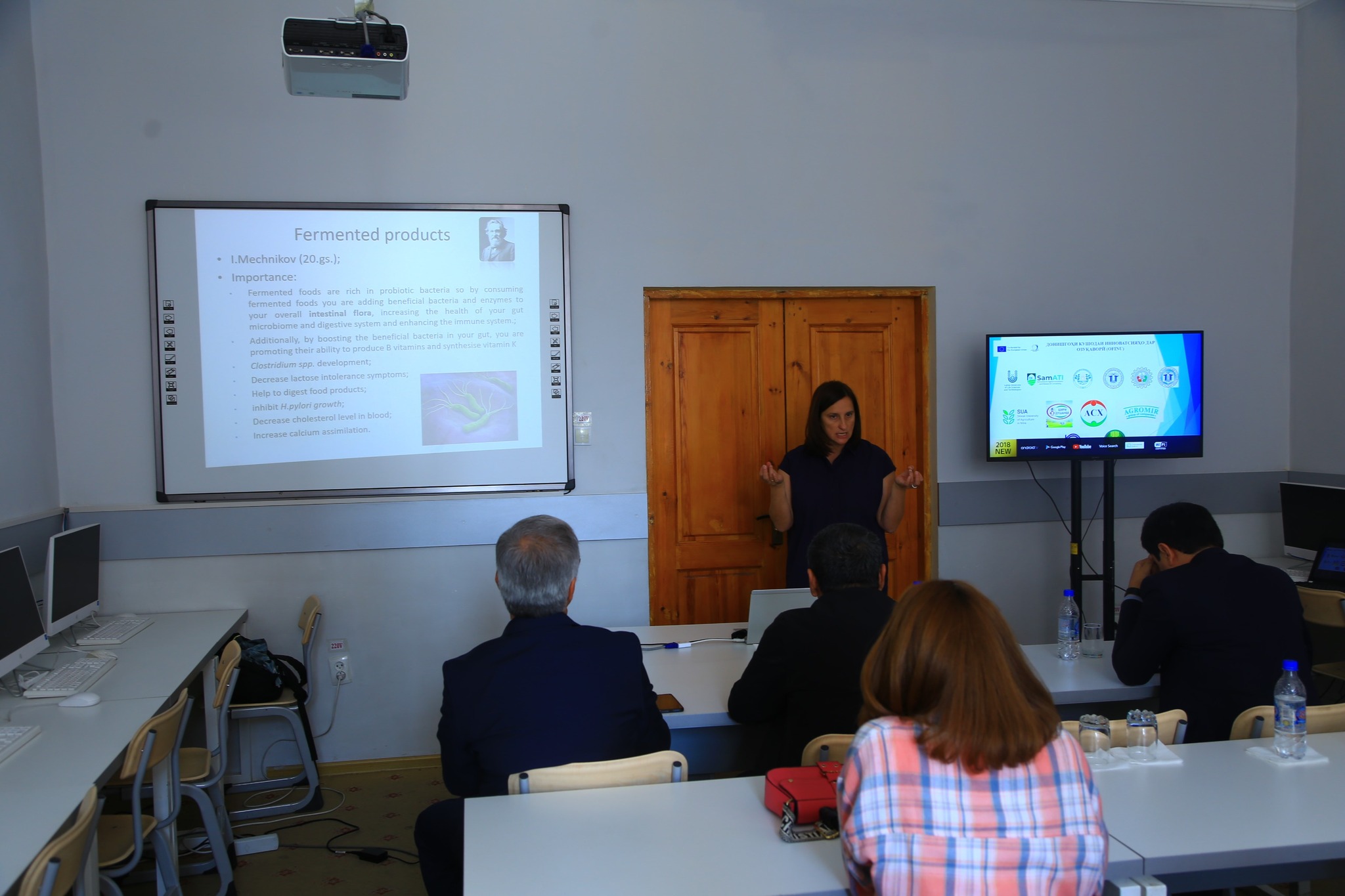
As part of this process, master classes on educational modules are held by faculty from participating universities in Europe in groups formed from full-time students, external participants from industrial enterprises, and university teachers.
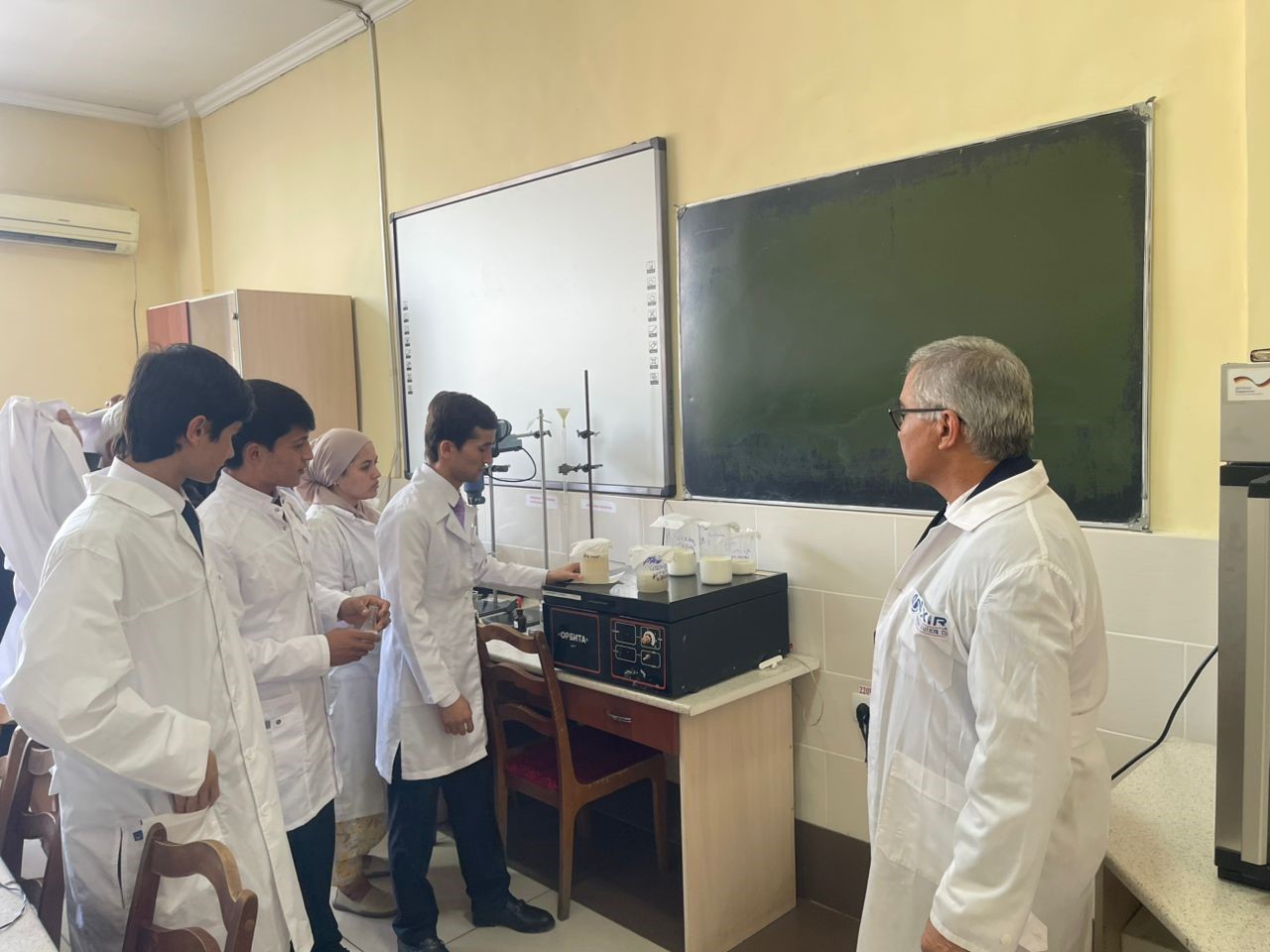
It should be that the Technological University of Tajikistan plans to conduct independent testing on two educational modules: “Milk Processing Technology” (a technological module) and “Academic Writing” (a soft skills module). This process is being implemented under the guidance and supervision of three experienced lecturers from the Latvian University of Life Sciences and Technologies, while lecturers from participating universities in Tajikistan and Uzbekistan contribute to the organization and conduct of theoretical and practical classes, as well as experimental classes using equipment and tools purchased through the project budget. In addition, well-conducted lessons with the exchange of ideas and discussions enhance the effectiveness of the pilot process.
As part of the educational module “Milk Processing Technology,” students in the “Open University” learned about the operations of the dairy processing enterprises in the CJSC “Kombinati shiri Dushanbe” and participated in a tasting (degustation) of finished dairy products
Students, listeners, staff, and teachers in this process utilize an educational platform developed by the project partners, which is effective for developing digital skills, implementing modern university services, quality assurance processes, and, especially, for the direct professional development of students, external listeners, and teachers.
During the pilot process, a joint workshop will be organized to analyze the learning process, evaluate and improve the training modules. For each module, a SWOT analysis is conducted with the participation of all participants, analyzing issues and opportunities for improving the implementation of the OFINU project modules. As a result, recommendations are being developed for the further implementation of innovative modules.
It should be noted that external participants, representatives of food industry enterprises, including employees of CJSC Kombinati shiri Dushanbe, LLC Saodat, and LLC Osiyo M, took part in the pilot courses.